Case Study 07 / 08
Art Direction
Original content - my process for building a game from scratch
Pre-Production
Establish Story Tenets
Description: Define the core story elements and themes that will drive the game's narrative.
Outcome: Provides a narrative framework that guides visual and design decisions.
Mood Boards
Description: Develop mood boards to visually convey the overall aesthetic, theme, and tone of the project. This includes references, inspirations, and any initial concept art.
Tools: Use reference images and concept art to generate mood board elements and visual targets.
Outcome: Ensures a unified visual direction and serves as a starting reference point for the entire team.
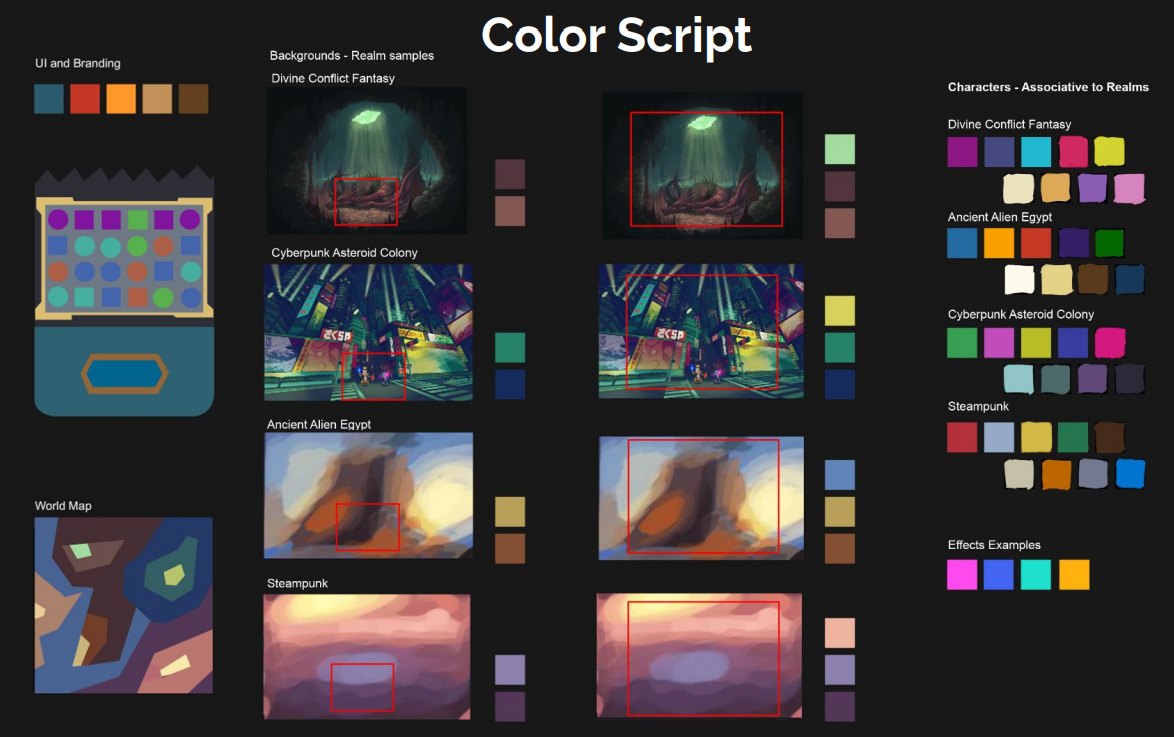
Color and Lighting Thumbnails
Description: Create color and lighting thumbnails to explore different palettes and lighting scenarios. These thumbnails help in deciding the visual mood and atmosphere of the game.
Outcome: Establishes a clear visual style and lighting approach early on.
Sketches
Description: Produce detailed sketches of characters, environments, and key assets. These sketches are critical for visualizing ideas and getting buy-in from stakeholders.
Outcome: Provides a tangible representation of concepts and ensures alignment with the project's vision.
Vertical Slice
Description: Sometimes it is necessary to develop a vertical slice—a small, playable section of the game that showcases the core mechanics and visual style. This serves as a proof of concept.
Outcome: Validates the game's direction and secures stakeholder approval.
Sign-Off Gate
Description: Conduct a formal review process to get final sign-off on the preproduction visuals and overall direction from stakeholders. The final sign-off gate is very detailed and allows the team to proceed into production without changes disrupting the workflow of production.
Outcome: Ensures all stakeholders are on board and aligned with the project's vision.
Art Bible / Styleguide
Description: Create an Art Bible that documents the visual style, shape language, color palettes, lighting guidelines, character designs, UI styleguide and asset specifications.
Outcome: Serves as a comprehensive reference for the art team throughout production.
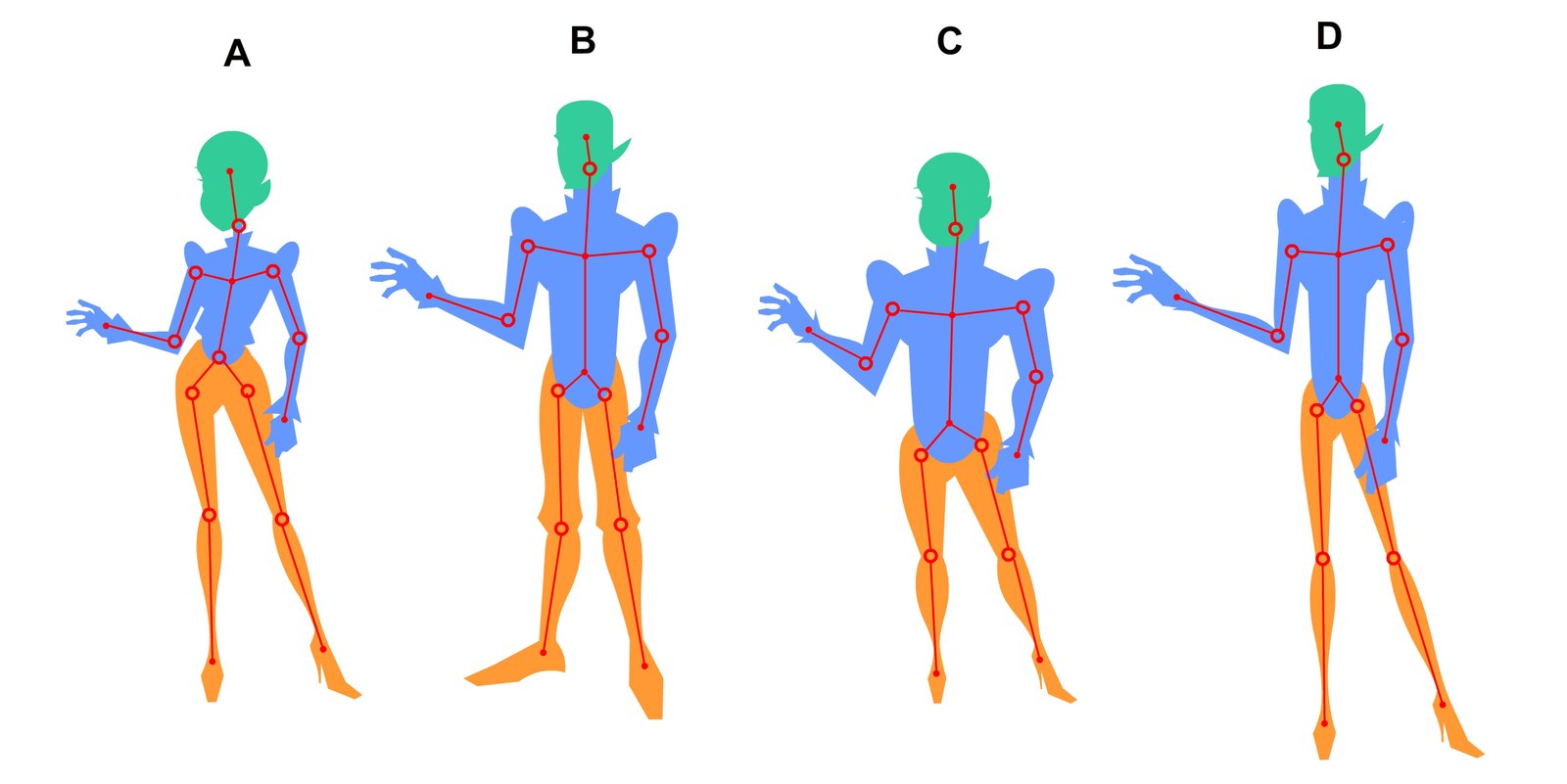
Animation Bible / Styleguide
Description: Develop an Animation Bible outlining animation principles, styles, and guidelines specific to the project.
Outcome: Ensures consistent and high-quality animations.
Production
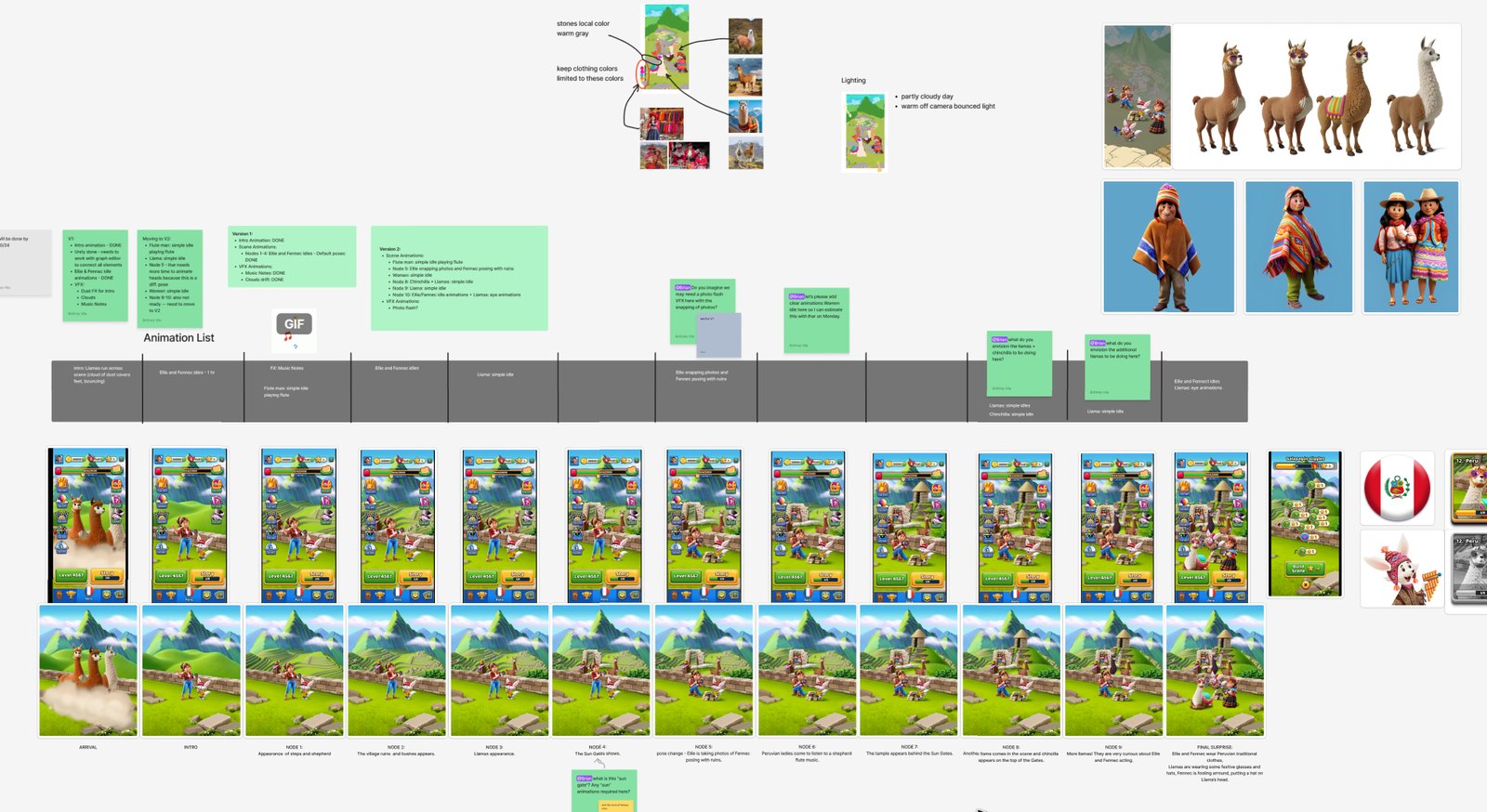
Figjam Boards
Description: Create Figjam boards to group and organize all relevant information, including references, concept art, and design documents.
Outcome: Centralizes information for easy access and collaboration.
Art Technical Specs
Description: Document and communicate technical specifications for art assets. This includes file formats, resolution, naming conventions, and any other technical requirements necessary for integration into the game engine.
Outcome: Ensures that all assets are created and delivered in accordance with technical requirements, facilitating smooth integration and consistent quality.
Regular Reviews and Iterations
Description: Schedule regular review sessions to assess progress, provide feedback, and make necessary adjustments. Use a combination of verbal, written, and visual feedback methods, including sketches and paintovers.
Outcome: Ensures continuous improvement and alignment with the project's vision.
Reinforce the Art Bible
Description: Continuously reference and reinforce the Art Bible as a checklist to ensure consistency and adherence to the established visual style.
Outcome: Maintains visual coherence across all assets.
Grow Artists to Wear Many Hats
Description: Foster a culture where artists are encouraged to take on multiple roles and responsibilities. This includes cross-training and skill development. This helps develop their resiliency, understanding of business decisions, clear channels of communication, and forward-thinking.
Outcome: Builds a versatile and adaptable art team capable of handling diverse challenges.
Collaboration with Other Departments
Description: Work closely with other departments, including design, engineering, and audio, to ensure seamless integration and cohesive project development. Encourage proactive communication and positive handoffs, where team members ensure contact with the next discipline.
Outcome: Promotes interdisciplinary collaboration and smooth workflow.
Post-Production
Final Polishing
Description: Focus on refining and polishing all art assets, animations, and UI elements to achieve the highest quality.
Outcome: Delivers a polished final product that meets or exceeds quality expectations.
Quality Assurance
Description: Conduct thorough QA testing to identify and fix any visual or technical issues. Ensure that the game meets all quality standards.
Outcome: Ensures a bug-free and visually appealing final product.
Post-Mortem Review
Description: Conduct a post-mortem review to assess what worked well and what could be improved for future projects. Document lessons learned and best practices.
Outcome: Provides valuable insights for continuous improvement.